
ATIKA ART SPACE: AUGUST
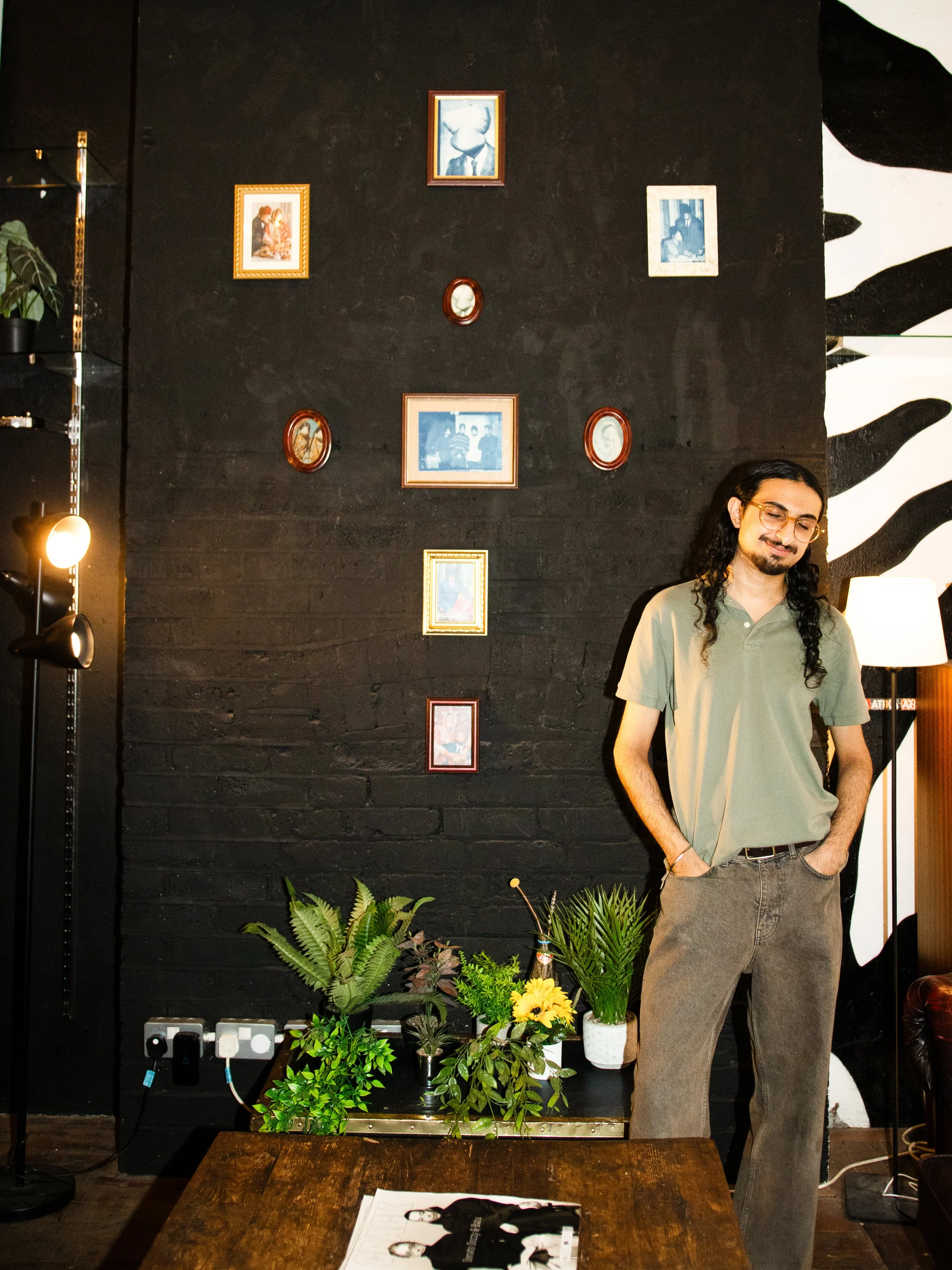
August has just begun, and the start of a new month means… A new residency at ATIKA Art Space! We are super excited to announce our newest resident take over a wall in our store to show off their artistic talents. This month, we have cherry-picked Simrandeep Chana for you. We’ve made sure to ask him a few questions during the installation.
Make sure to plan your visit to our store near Brick Lane to see it with your own eyes, we promise it’ll be absolutely worth it.
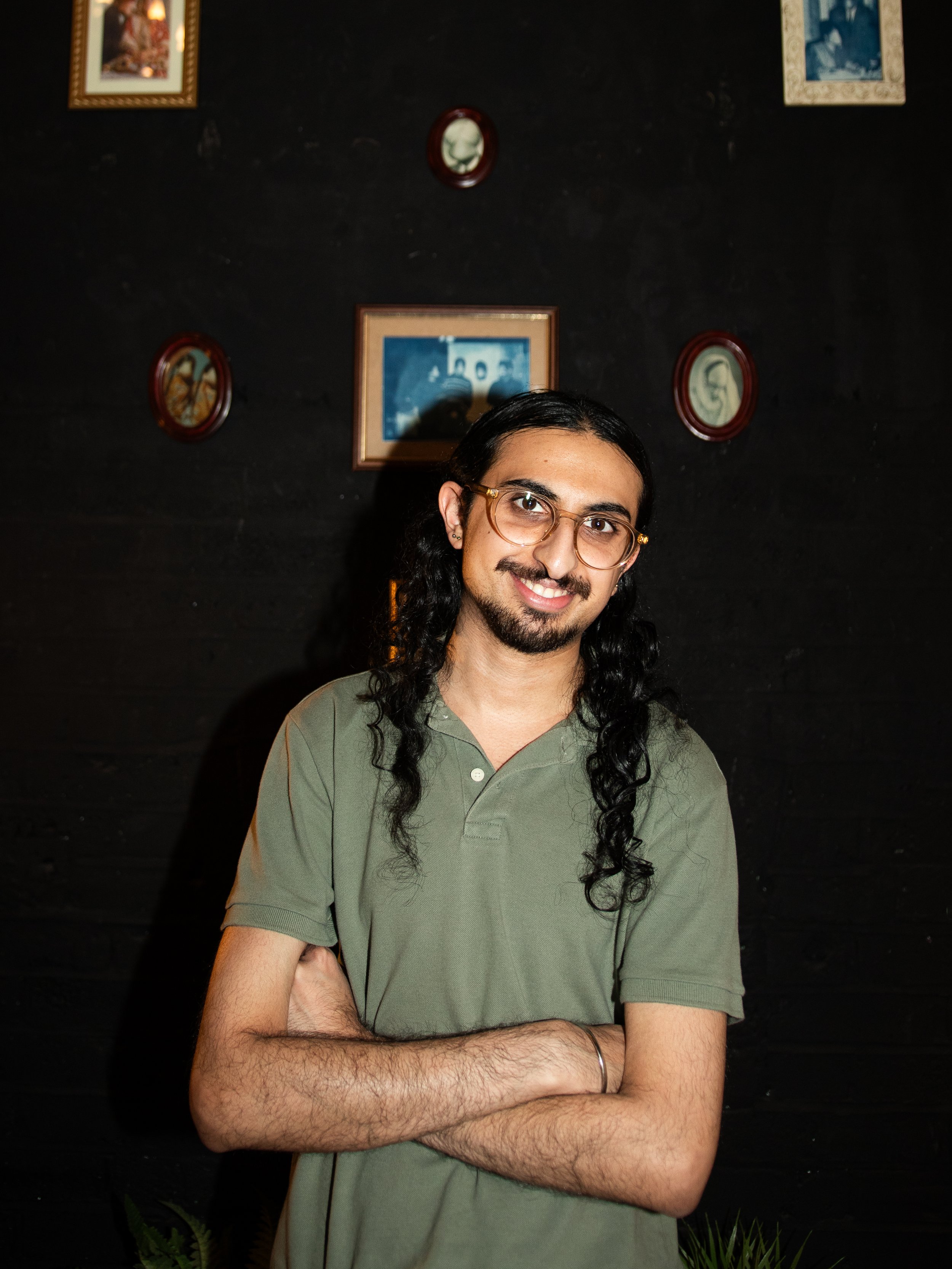
Simrandeep Chana is a British South Asian multidisciplinary artist whose practice explores lineage, cultural inheritance and diasporic identity through interdisciplinary materiality such as photography, textiles, installation and craft-based processes. Drawing from familial archives, domestic rituals and intergenerational knowledge, Chana examines the ways memory, tradition and identity are physically carried across generations.
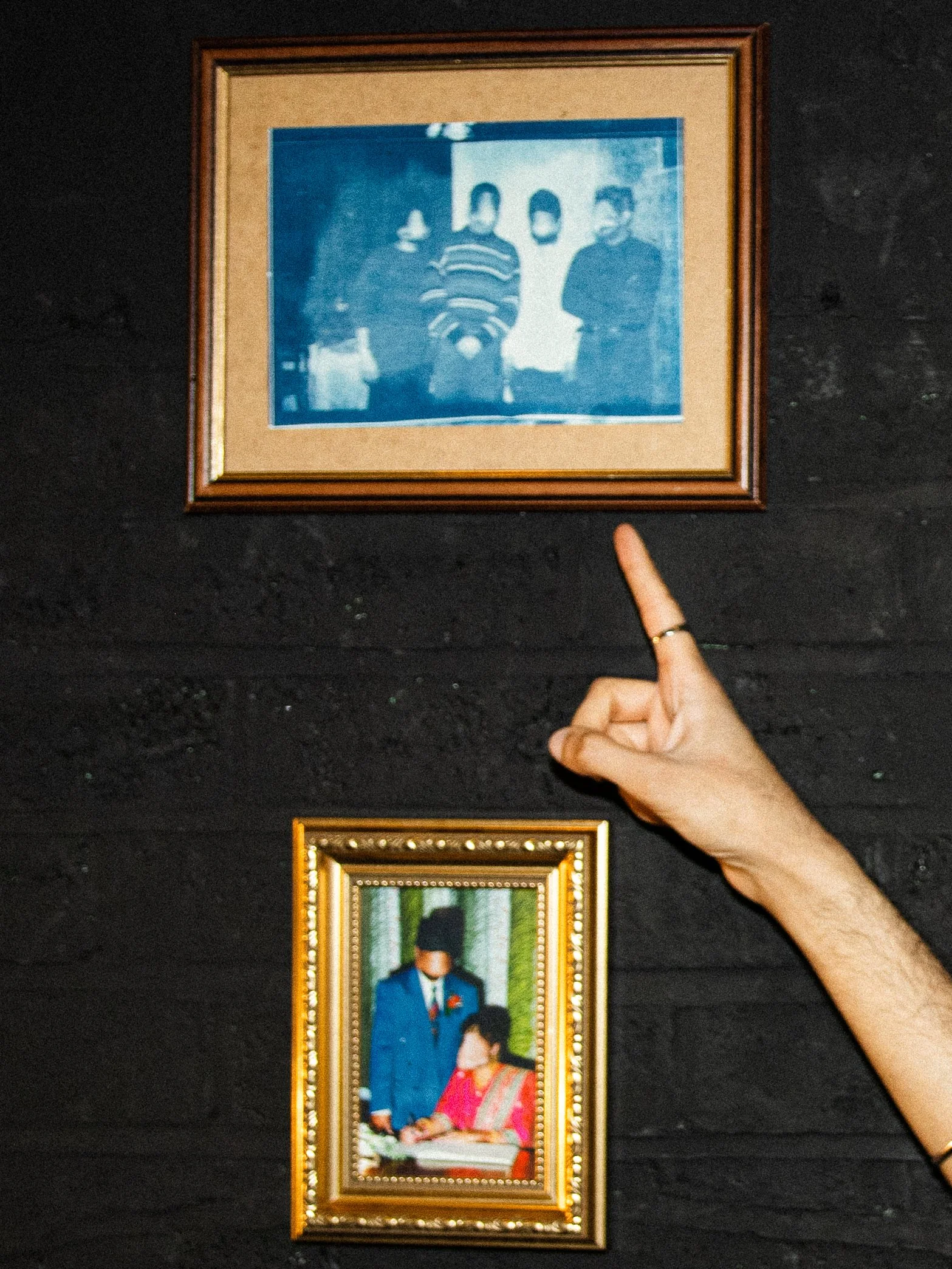
Through the transformation of inherited materials, images and practices, their work reflects on themes of belonging, migration, cultural preservation and the ongoing negotiation of identity within the diaspora.
I: What is your current work about?
This current body of work forms part of a larger ongoing project titled Family Nosebook. The family photobook constitutes an integral part of my upbringing and the way memory is preserved within my family. Photographs are taken during the most intimate moments of familial life; weddings, birthdays, departures, funerals. Within many Indian families, emotions are shared and held regardless of closeness, and these moments are carefully captured as a way of preserving collective memory.
These photographs are almost always collated into photobooks and passed through generations. Images
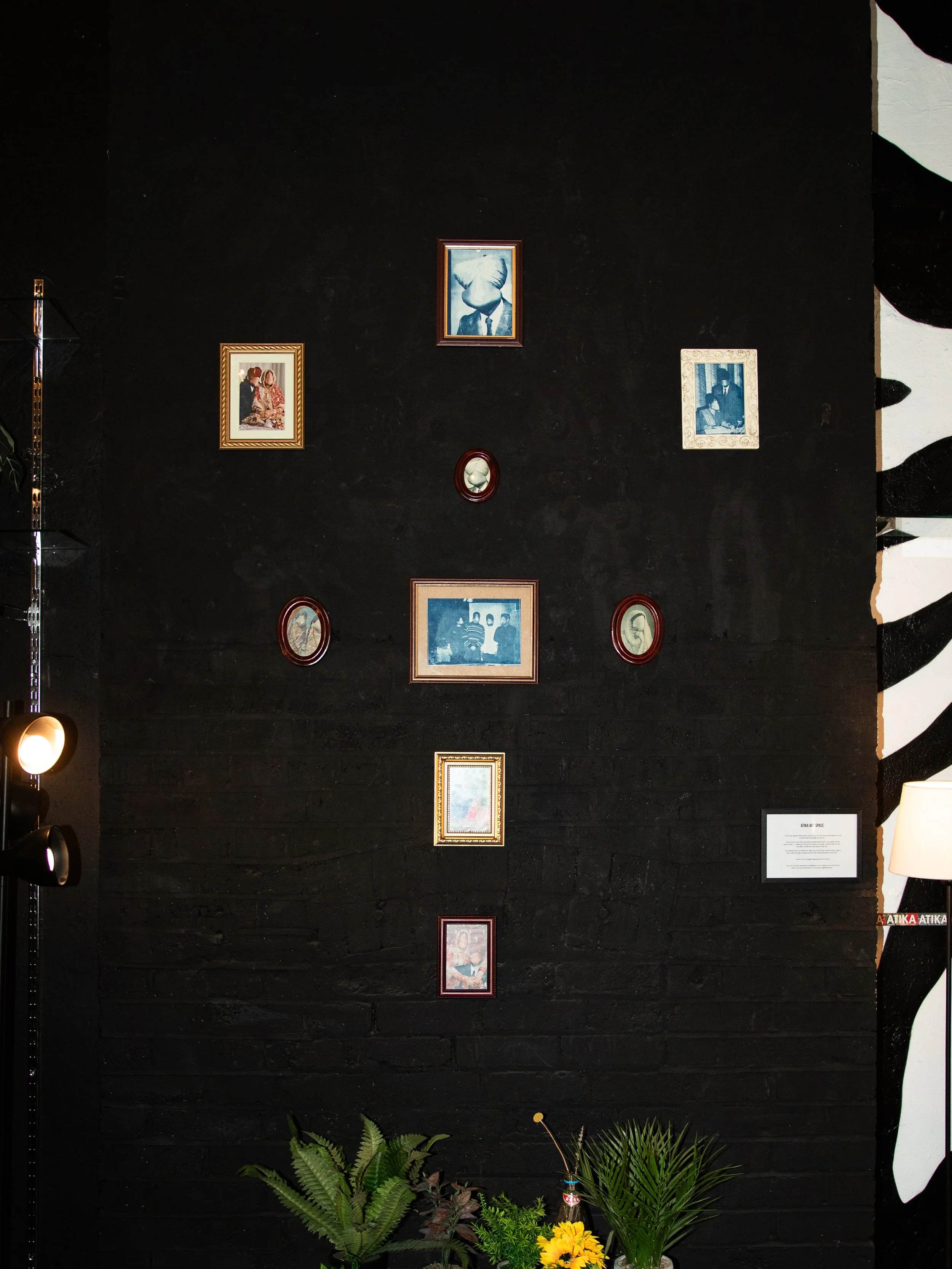
and albums fill baskets and containers, sit on top of wardrobes, are wrapped carefully in bags in the attic, or are displayed throughout the home. It is also customary within many Indian families to revisit these archives during auspicious occasions and celebrations. Family members gather around, passing photographs between one another to reminisce about the ‘good times’ looking back at people entering new chapters of their lives, reaching milestones, growing older, and remembering those who are no longer present. Whatever the history contained within these images, their presence remains tangible. We chatter, gossip, laugh, cry, sit in silence, and exist with these photographs as though the moments are unfolding in the present.
My work recontextualises and reimagines these familial archives that I have grown up looking through, bringing them into dialogue with my contemporary practice and ongoing investigations into the nose as a living entity. I intervene within these photographs by replacing the faces of my family members with the most defining feature of my own, the nose, the most visible inheritance I carry and a physical marker connecting me to my lineage.
I: What feelings do you aim to evoke in viewers?
Initially, I wanted to make viewers laugh. Humour felt like the easiest and most accessible way to encourage someone to engage with my work beyond simply looking and walking away.
Now, I want viewers to unknowingly reenact aspects of my lived experience as part of the South Asian diaspora. People encounter images of peculiarity and are required to navigate their own reactions. There is no instruction, no certainty, and no predetermined response. That ambiguity is the exact feeling I want to cultivate.
Within the current political climate and the rise of far-right rhetoric, movements and spaces, many people within the South Asian diaspora continue to navigate the world with a sense of caution. It is easy to find yourself in unfamiliar situations, surrounded by people, cultures and environments that you do not recognise, questioning how to respond, interact or belong. Discomfort has been something I have had to negotiate as I continue to understand my own relationship with race and identity. Through my work, I want viewers to encounter these same feelings of uncertainty in a safe and reflective environment, encouraging them to challenge their own assumptions, prejudices and privileges. Using my work to allow people to momentarily experience aspects of what I navigate daily, even unknowingly, becomes a step towards introspection and a deeper understanding of diasporic experiences within the West.
I: Is there a specific detail you hope viewers spend time with?
I want viewers to stop and spend time with the photographs, physically echoing the intimate act of looking through family archives that my family and generations before me have performed.
The nose is often the first detail that captures attention. I want people to pause and consider their own relationship with it - what the nose means to them, what it reveals about identity, inheritance and resemblance. Perhaps through this, we can find conversations around larger and more complex ideas surrounding lineage, race and belonging. Or perhaps we simply talk about noses. Either way, a conversation has begun.
I: What does your creative process look like?
For this series, my creative process is relatively simple. I scan the original family photographs into editing
software, manually reposition the noses onto the faces, create negatives from the edited images, and use these negatives to produce cyanotype prints.
The materiality of this series is not the central focus of the work. Instead, it reflects the fine art processes I have been exposed to through growing up and studying within the West. The most significant part of my creative process is the act of returning to the archive; spending time with these photographs, activating forgotten memories, and reviving familial histories. This process of revisiting and reanimating the archive is what continues to drive my practice.
I: How do you decide when a piece is “finished”?
None of my pieces ever feel truly finished. I continuously find details that could be refined, altered or elevated. I have learnt that a work reaches completion when I can step back and experience the same energy and passion that existed when I first conceived the idea of making it. Finishing is not simply a decision I make; it is an emotional and physical journey that I have to move through before allowing the work to exist independently from me.
Make sure to catch Simrandeep’s exhibition at ATIKA. His art will be up until the end of August.