
How to Master Vintage Layering: 90s to Y2K Style
Written by Veronika
Layering is at the heart of great vintage styling, and it’s having a major comeback. It’s a way of building texture, personality, and nostalgia into every outfit. At ATIKA London, where over 20,000 vintage pieces span decades of style, layering becomes less about rules and more about instinct.









Why does layering work (and always will)?
Layering allows you to create something entirely your own from pieces that already carry history. Vintage clothing, especially from the late 70s through early 2000s, was made to be mixed, reworked, and reinterpreted.
It’s also practical: transitional weather, day-to-night dressing, and the unpredictability of London seasons all call for adaptable styling. But more importantly, layering tells a story - your story.
One of our favourite ways to layer right now (and something we explored in our recent reel - see below) is stacking tank tops. A signature look from the late 90s and early 2000s, it’s simple but effective. Start with a fitted base, then add a second contrasting tank on top. Keep it minimal - 2–3 layers max, and let straps and textures do the work.
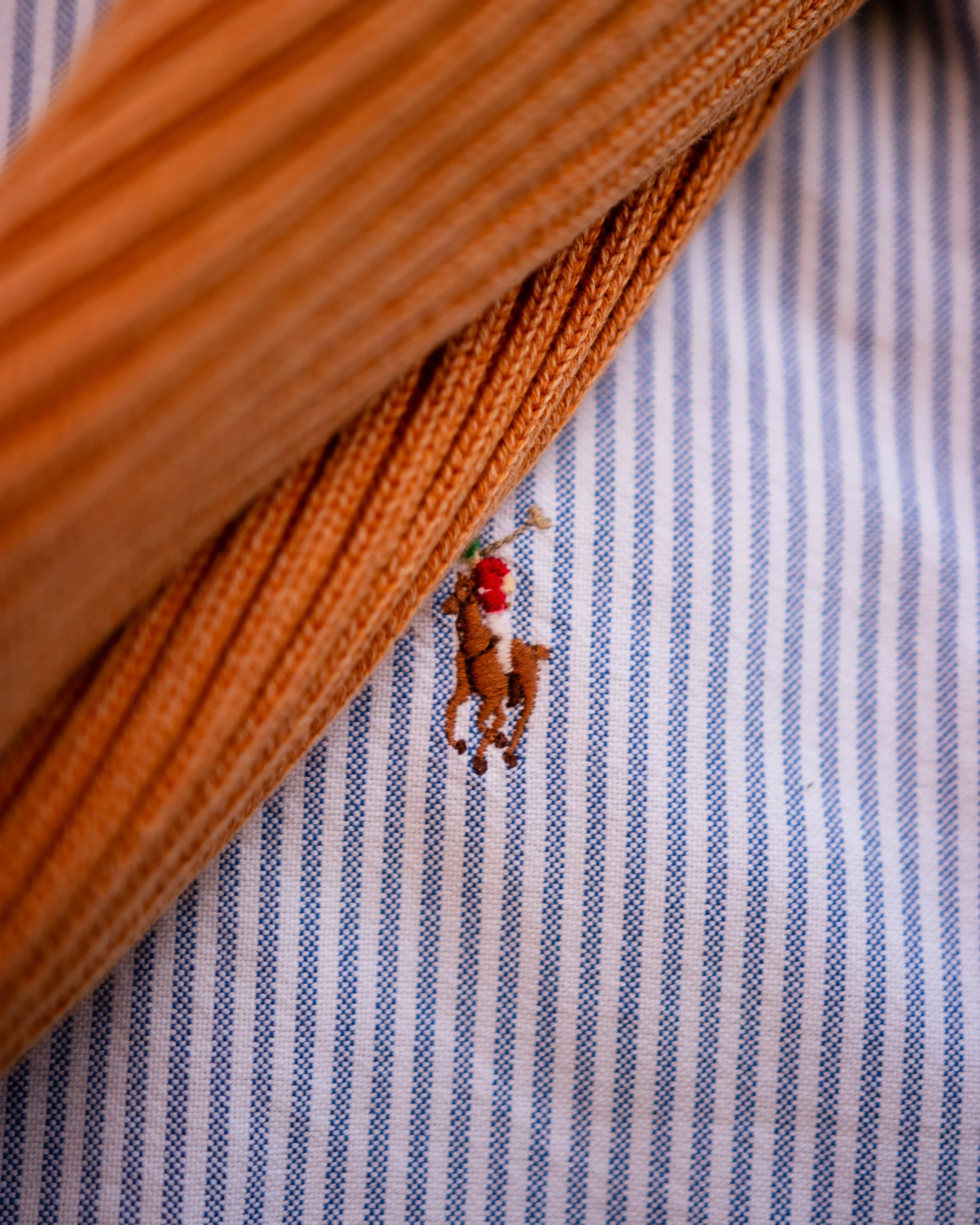
We also styled our model in layered Ralph Lauren shirts, showing how classic button-downs can create depth and structure.
Collars frame the face and add dimension, different lengths create movement, subtle fabric contrasts (oxford, poplin, stripes) build texture. The result is a look that feels both archival and completely contemporary. The key to modern layering isn’t staying within one decade - it’s blending them.
At ATIKA, you’ll find everything from 70s workwear to Y2K streetwear under one roof, making it the perfect space to experiment. The tension between pieces is what makes an outfit interesting.
Layering is deeply personal. It’s about how much you reveal, how much you hide, and how you shape your silhouette. Some days it’s chaotic and maximal. Other days it’s precise and minimal. Both are valid.
And that’s the beauty of vintage - nothing is fixed.