
Skateboarding Streetwear: Function Equals Expression
Written by Veronika
Skateboarding style was created to survive concrete.
What began as purely functional clothing eventually met identity, and became expression.
When one hears “skatewear” today, a collective image immediately forms: baggy jeans or cargo trousers, layered oversized T-shirts and jackets, thick long socks, heavy sneakers. It’s recognisable. It’s coded. It carries attitude.
But none of it started as aesthetic.
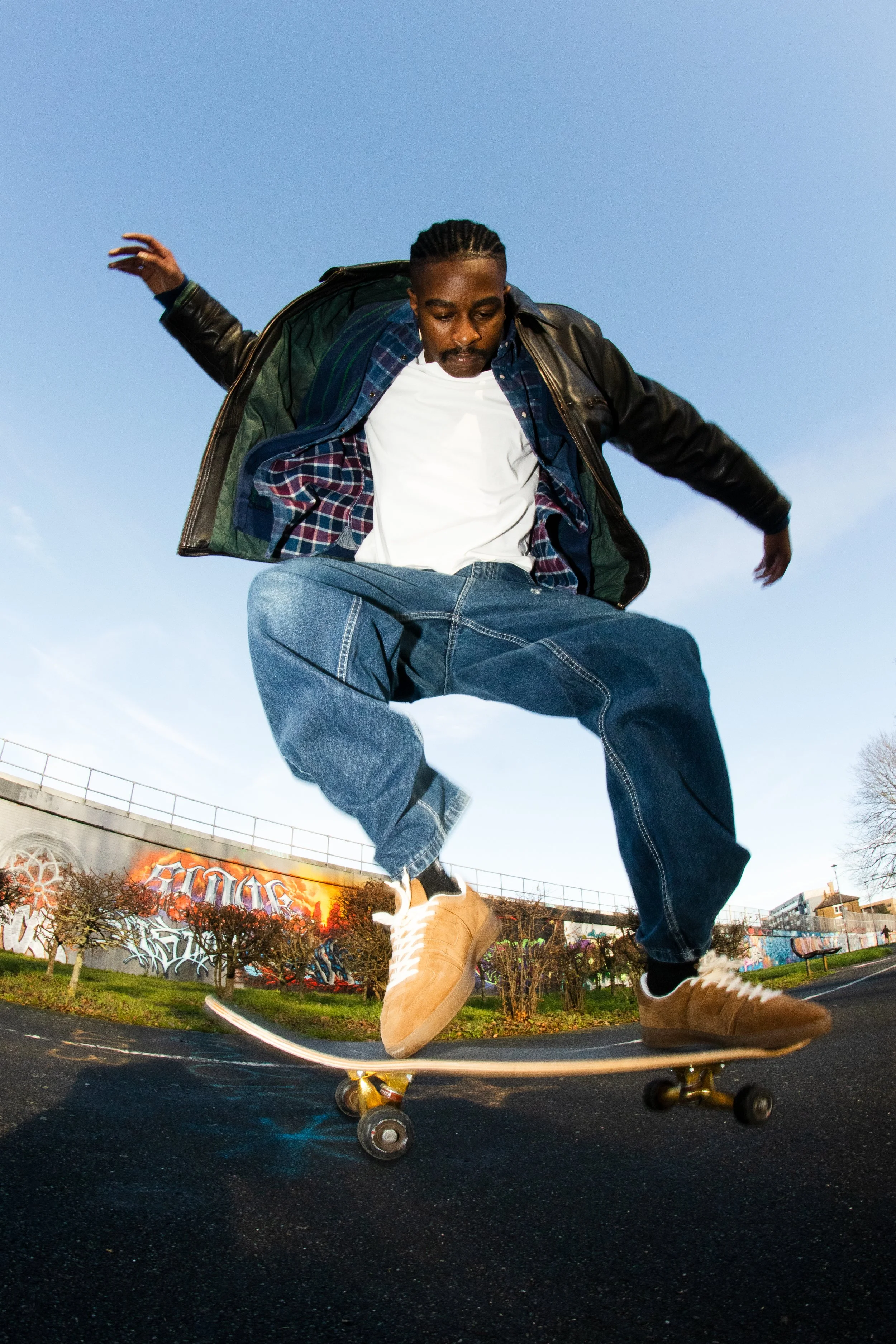
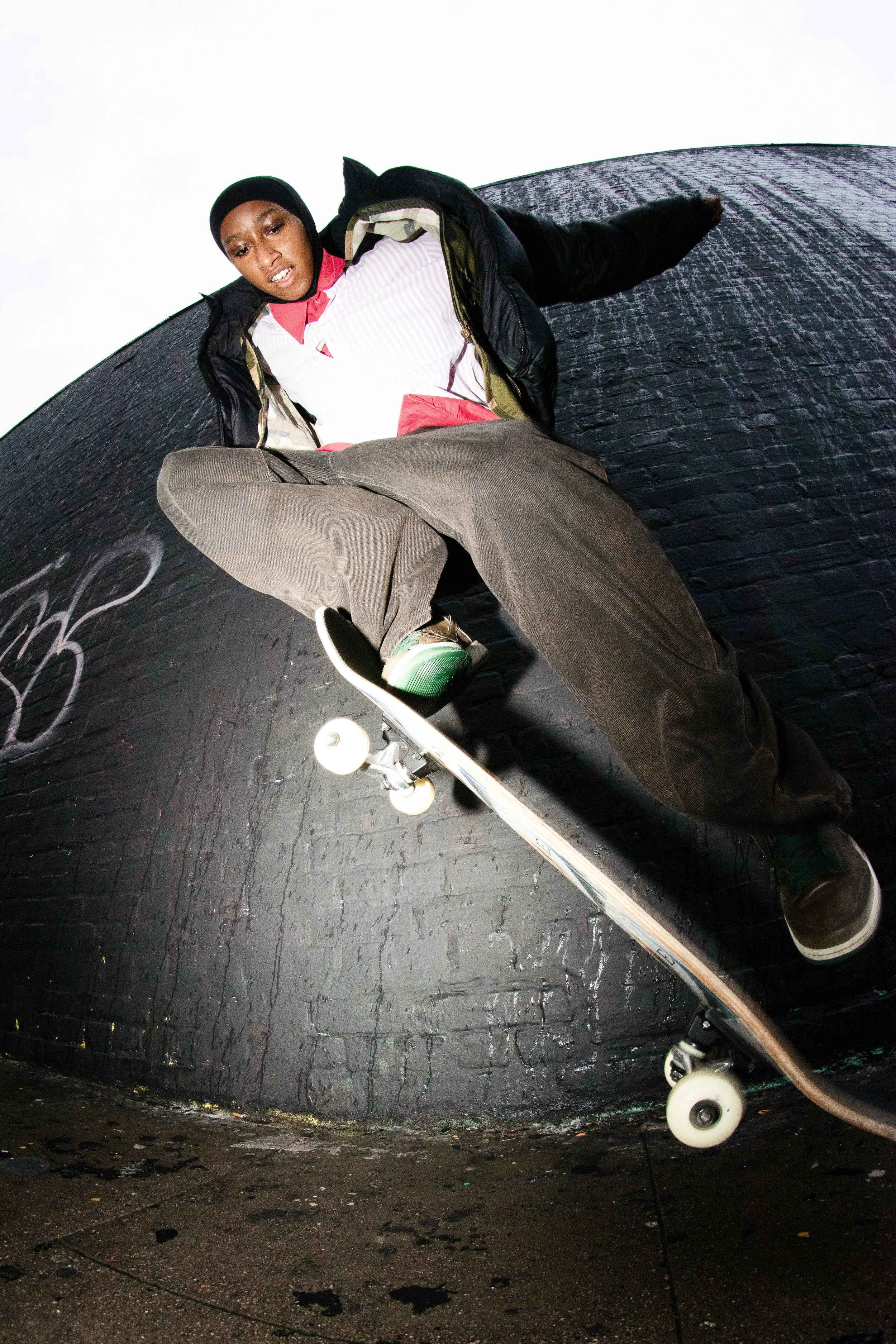
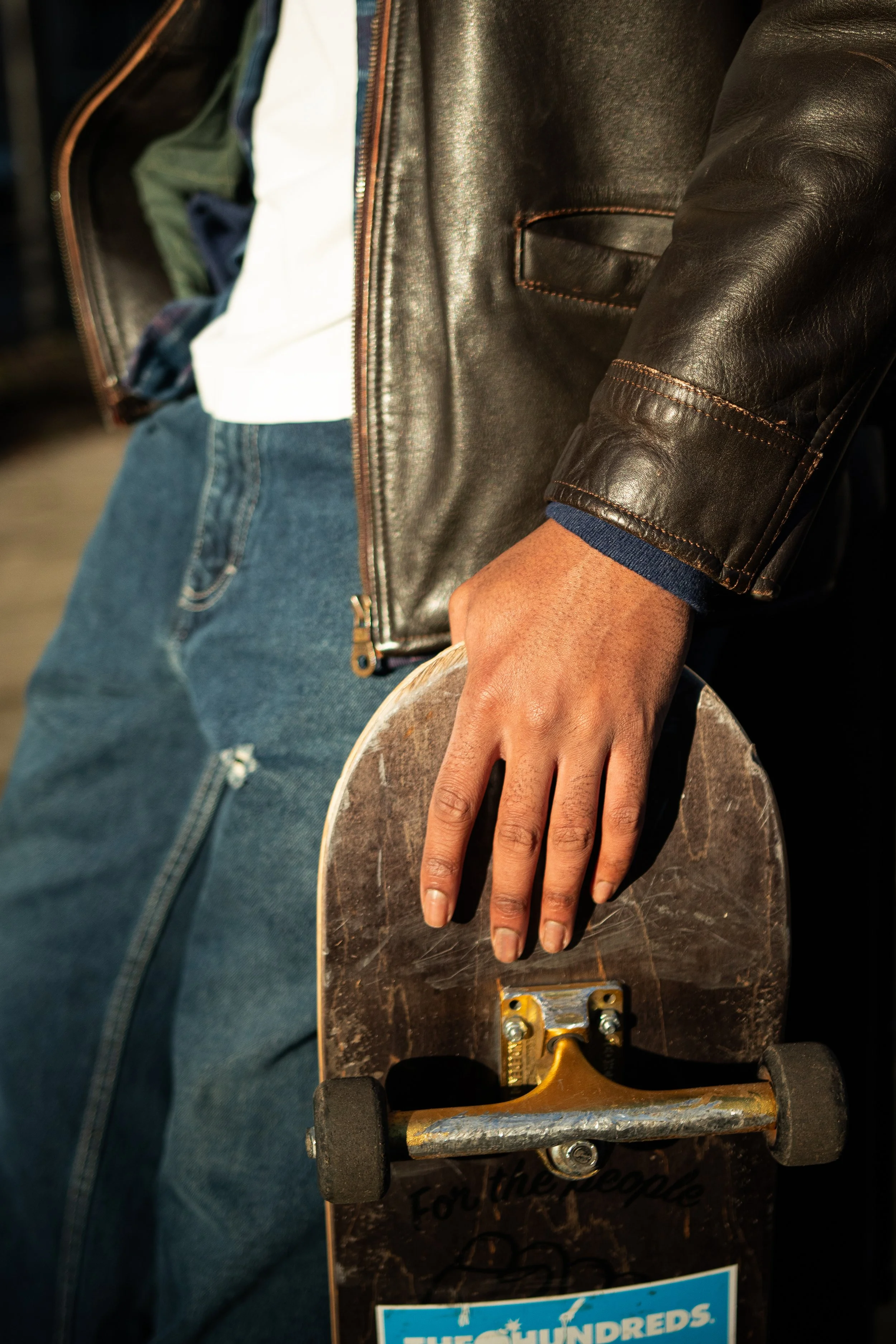
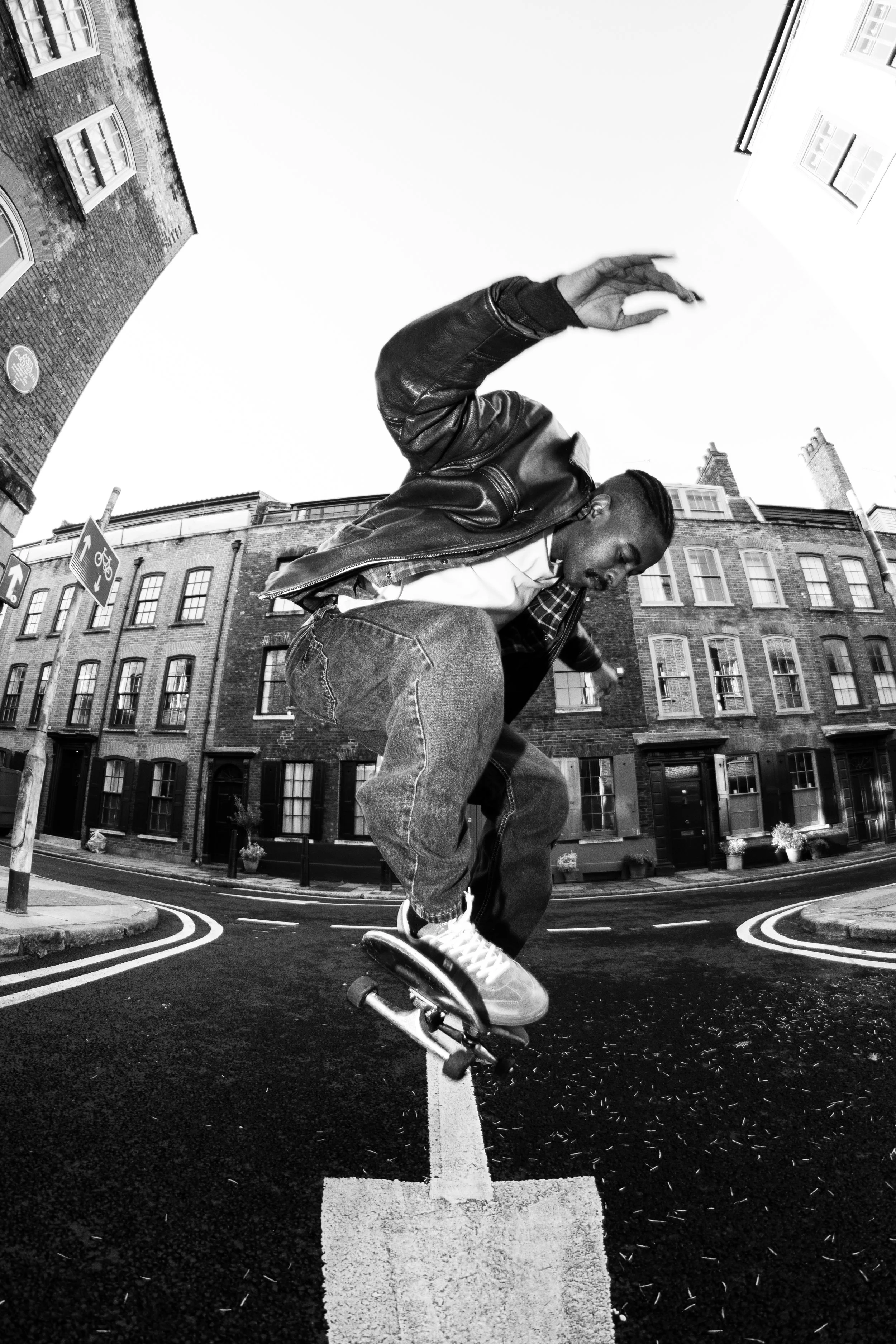
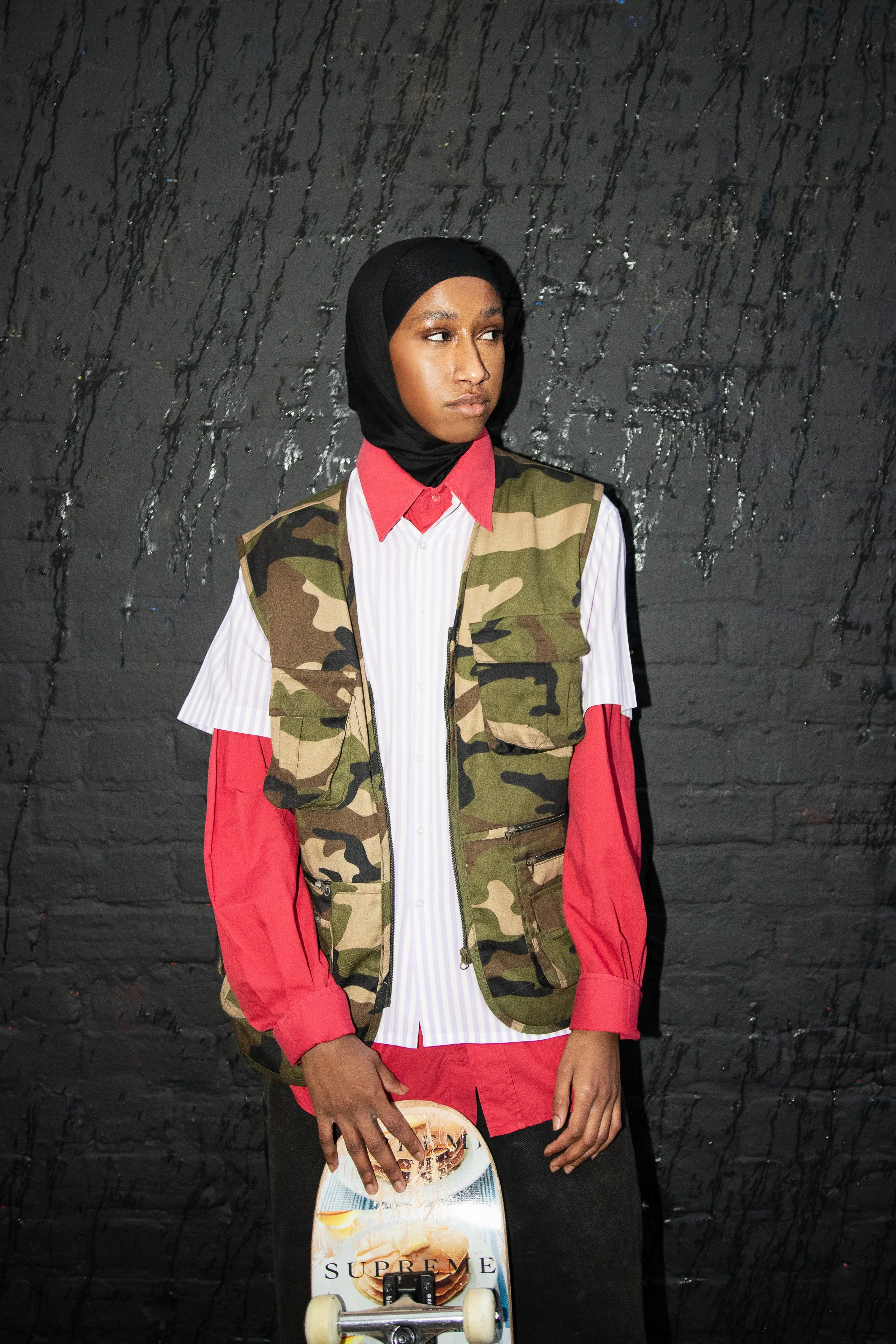
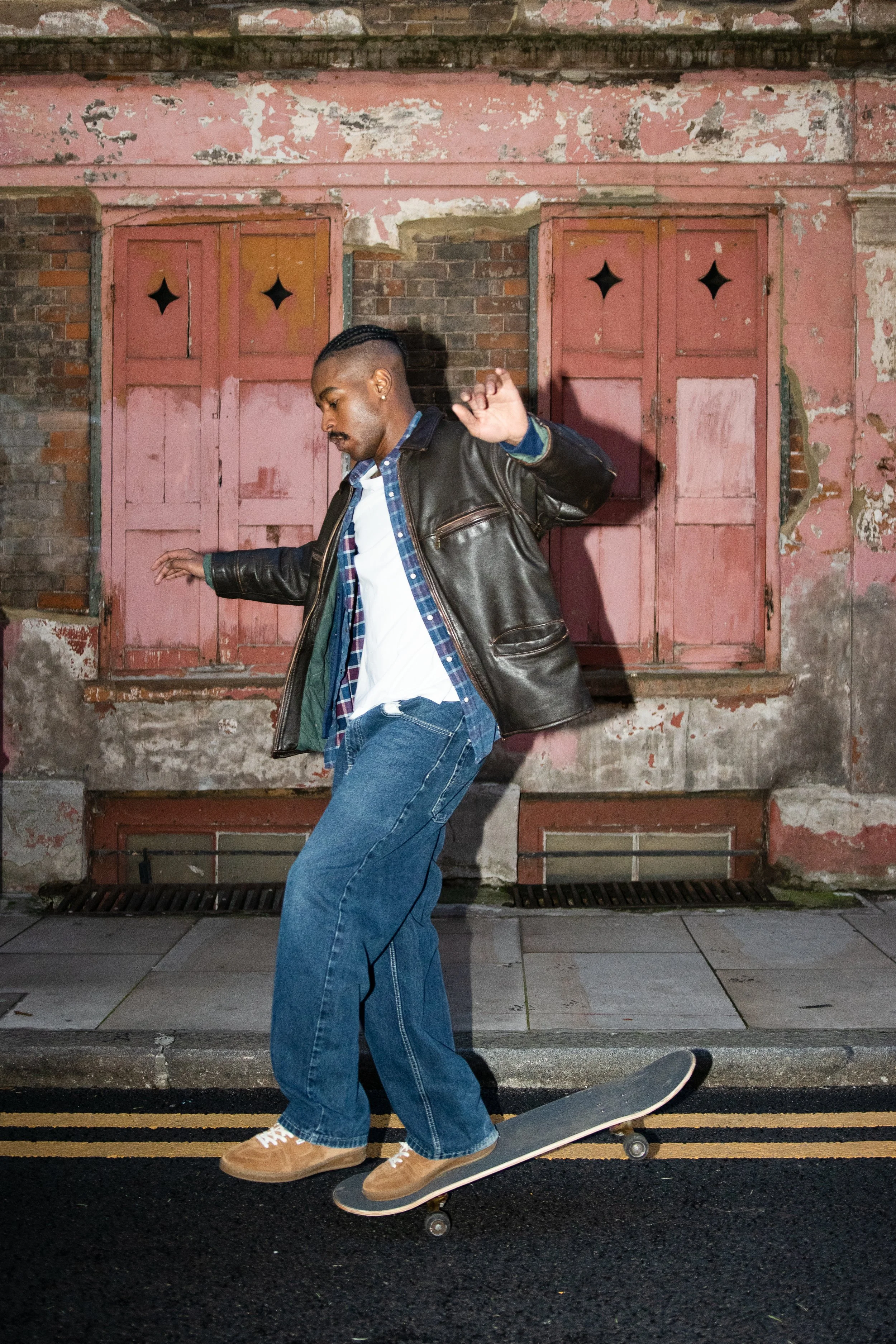
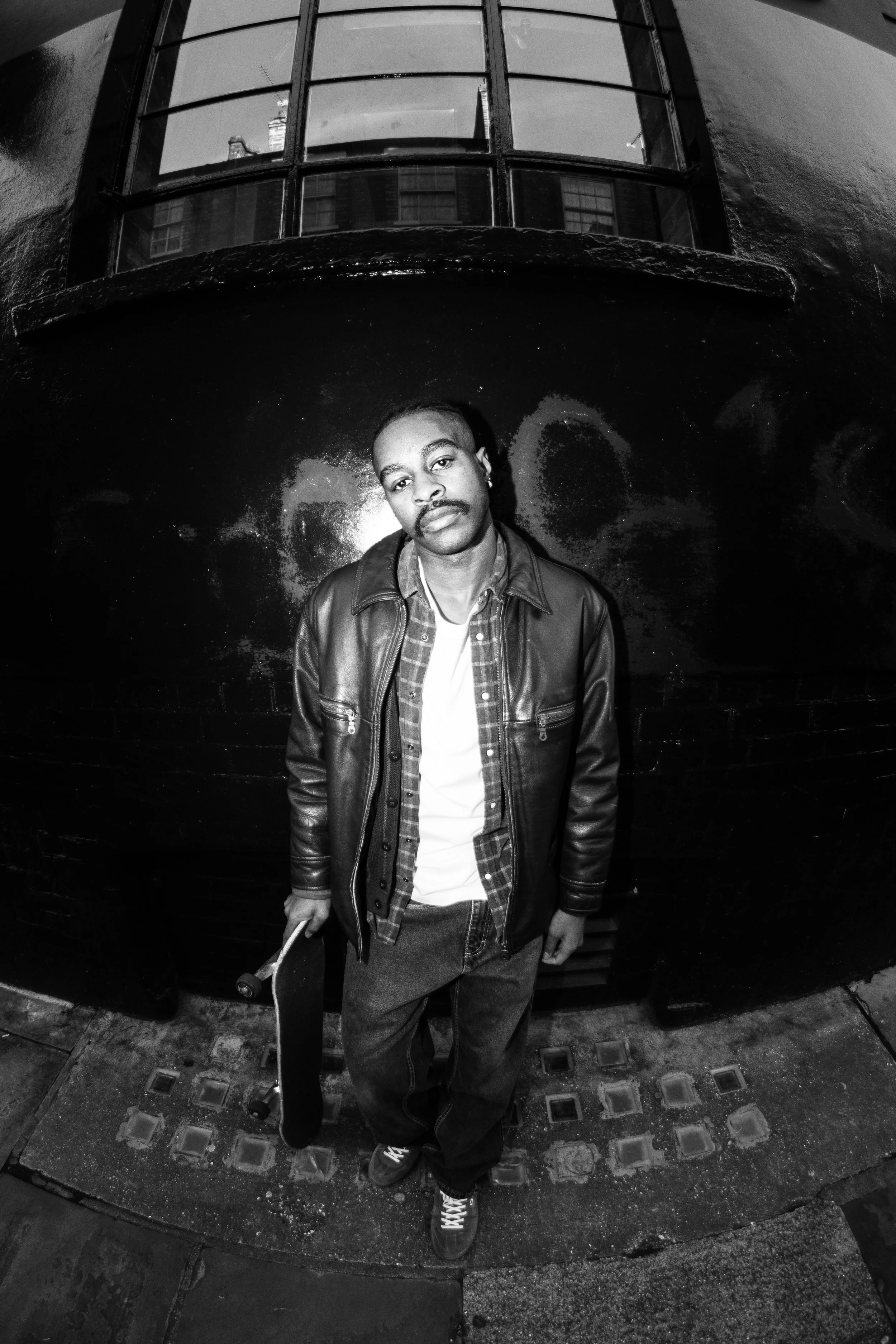
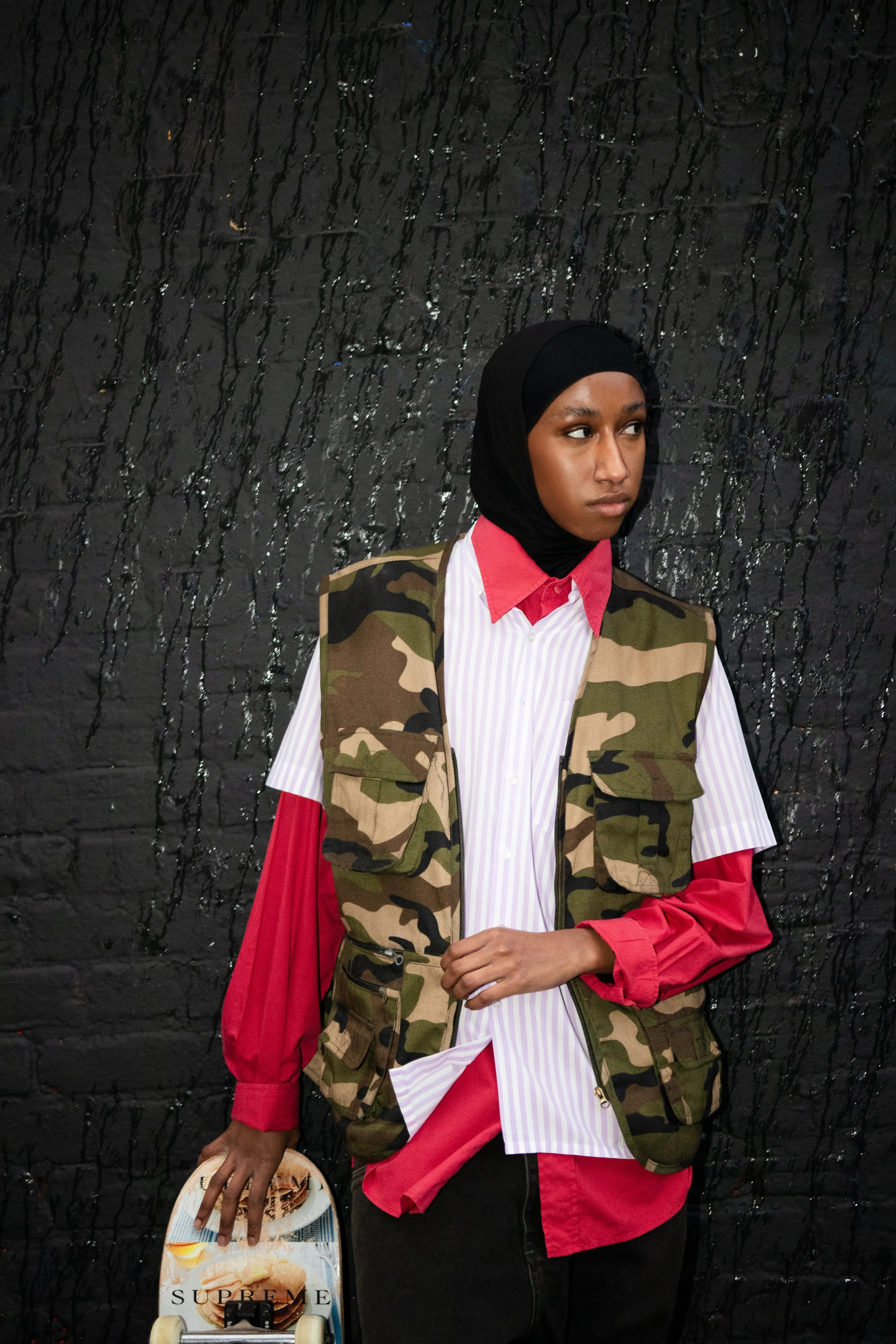
Loose silhouettes allowed for movement. Durable fabrics protected skin from asphalt. Thick socks absorbed impact. Oversized layers adapted to unpredictable weather and long days outside. The style was built around freedom of movement and resistance to wear – not trends.
And yet, function slowly became language.
By the 80s and 90s, these practical choices turned into cultural signals. Baggy jeans meant freedom. Oversized tees rejected polished mainstream fashion. Scuffed sneakers showed proof of action. Wear and tear became part of the look.
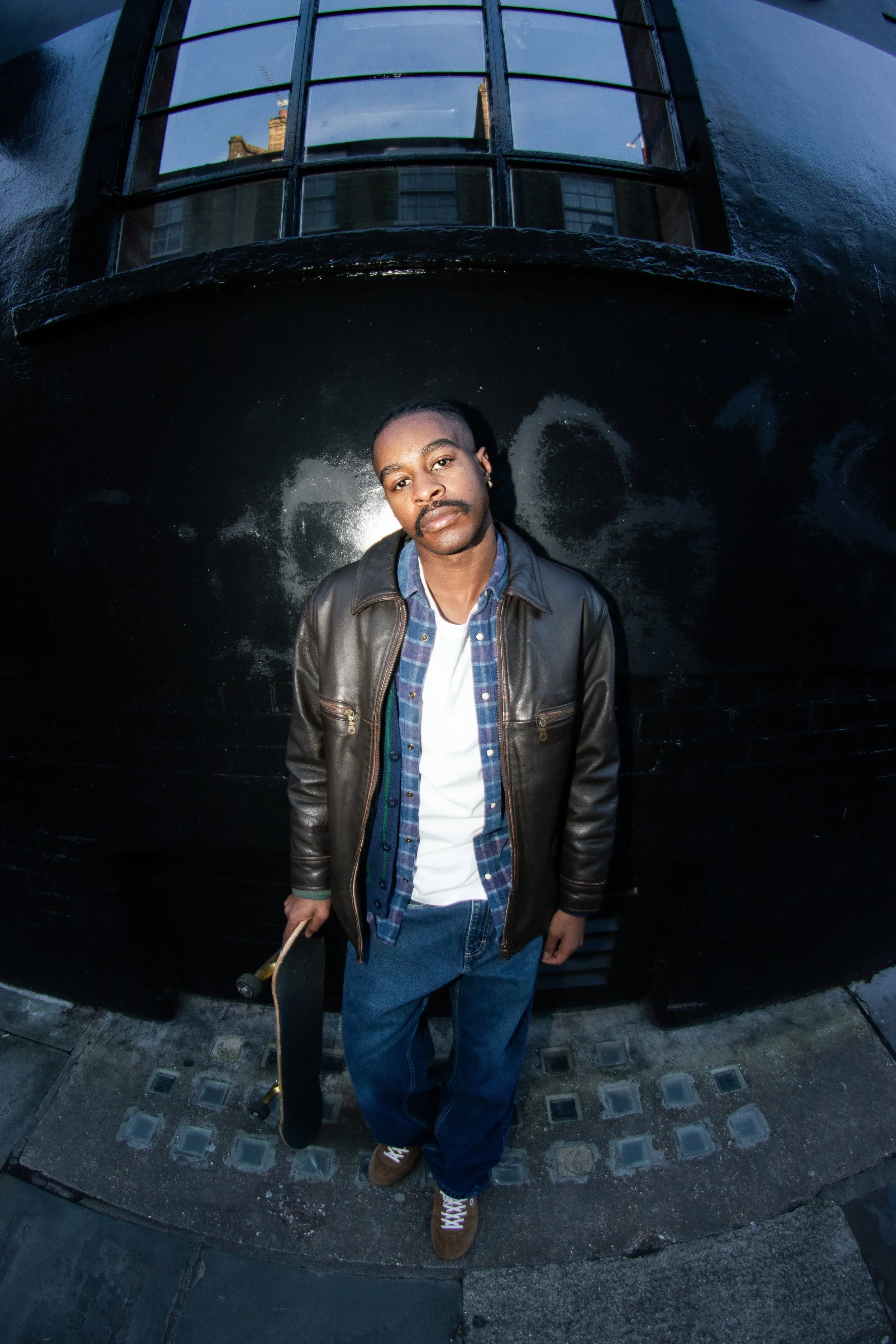
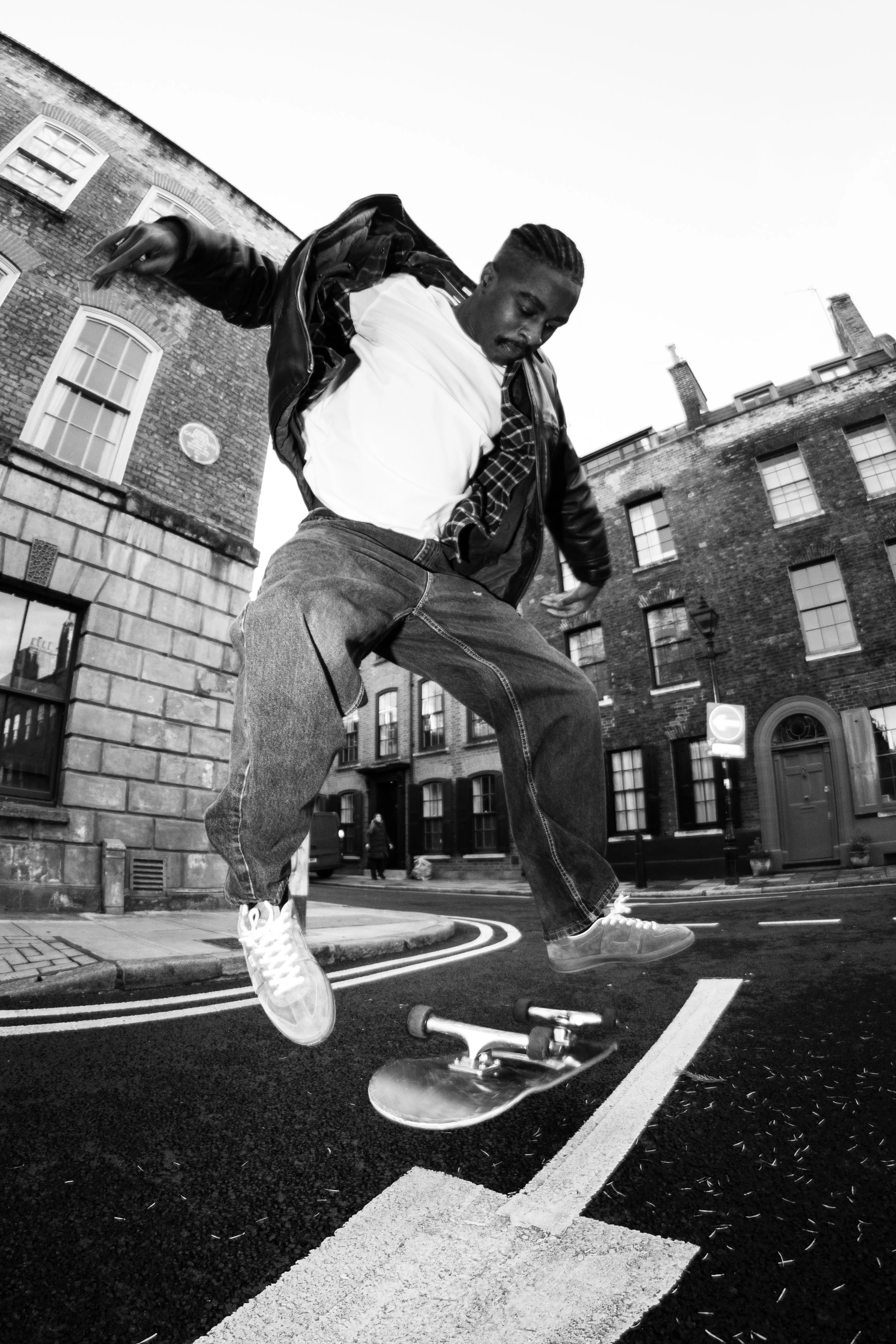
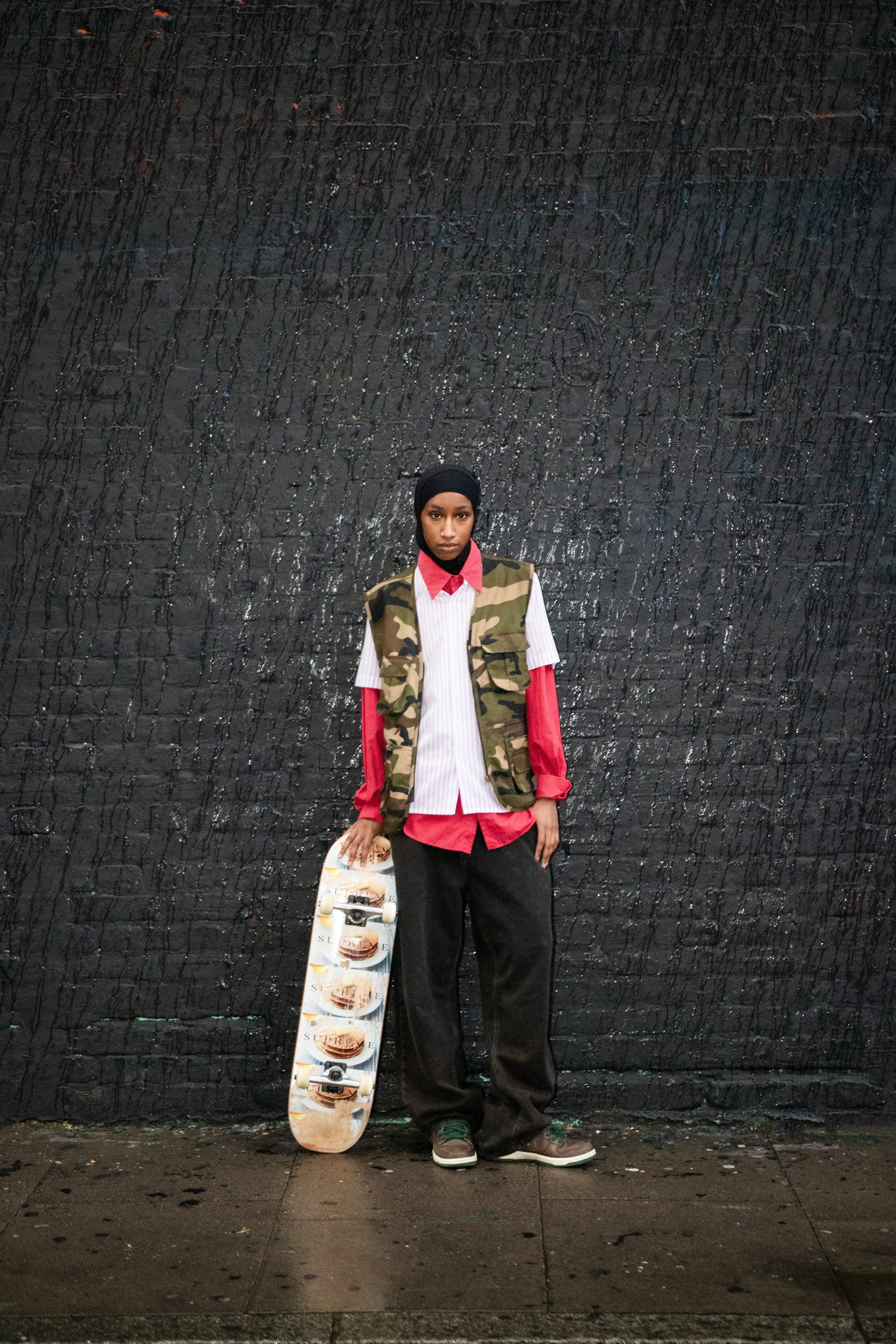
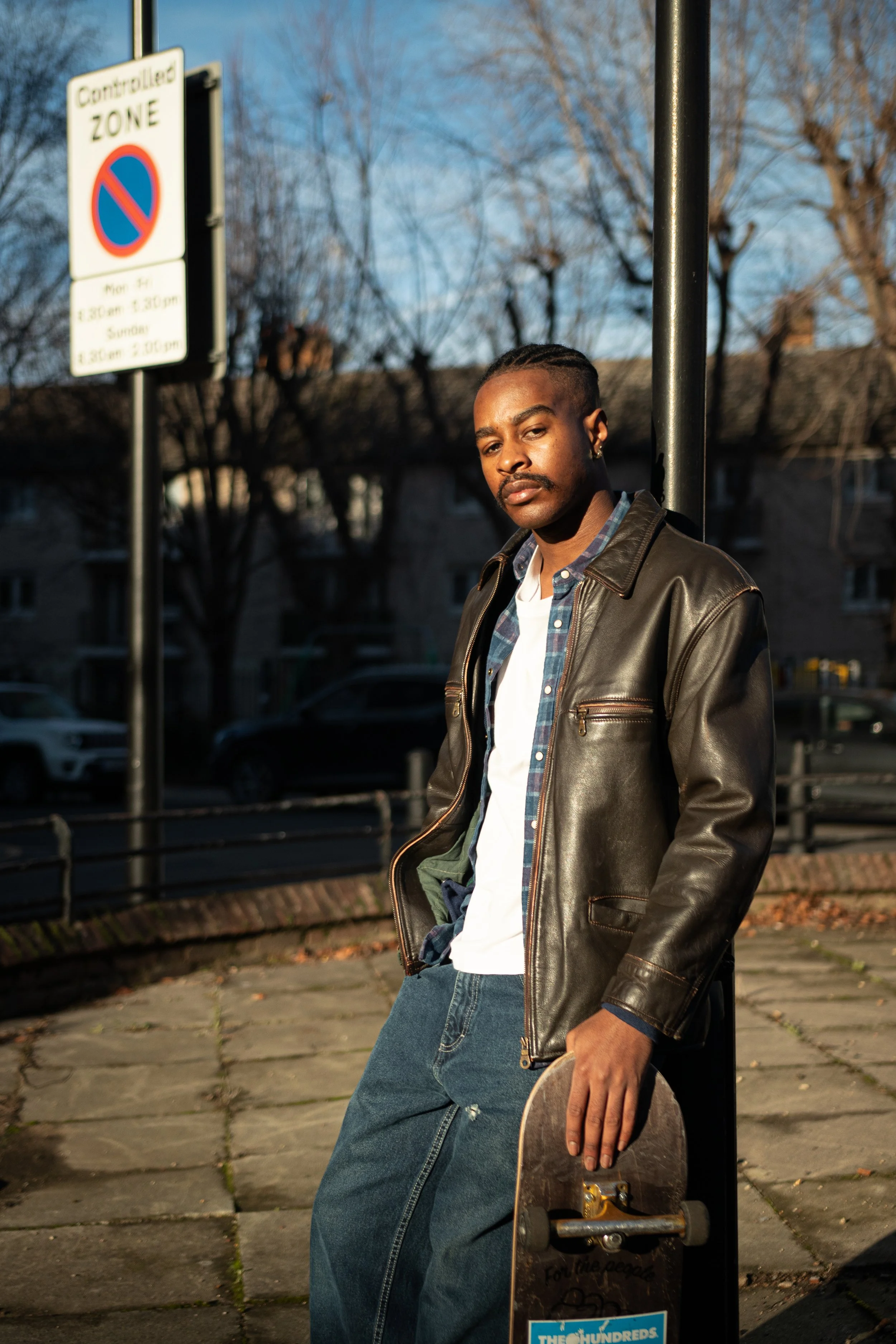
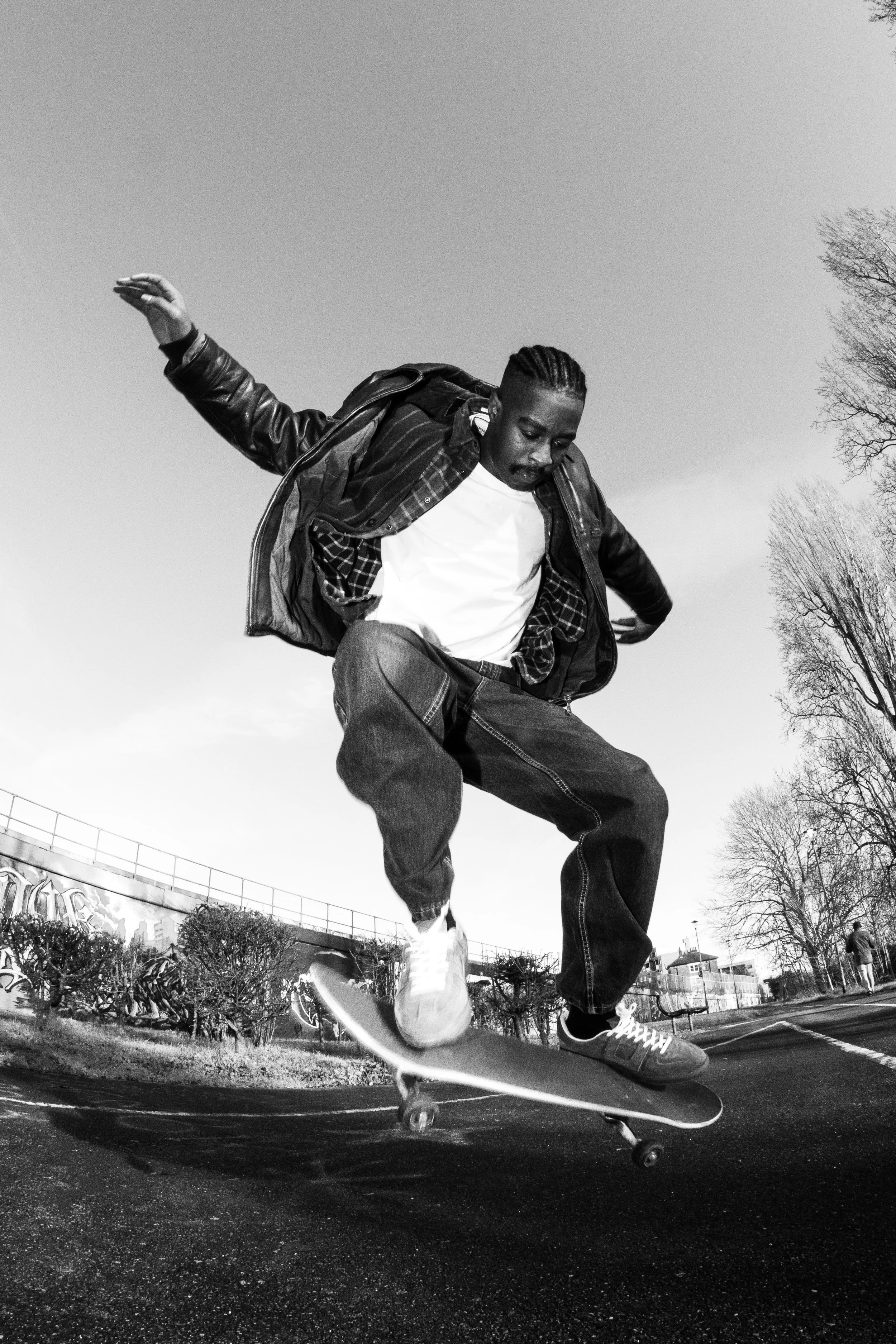
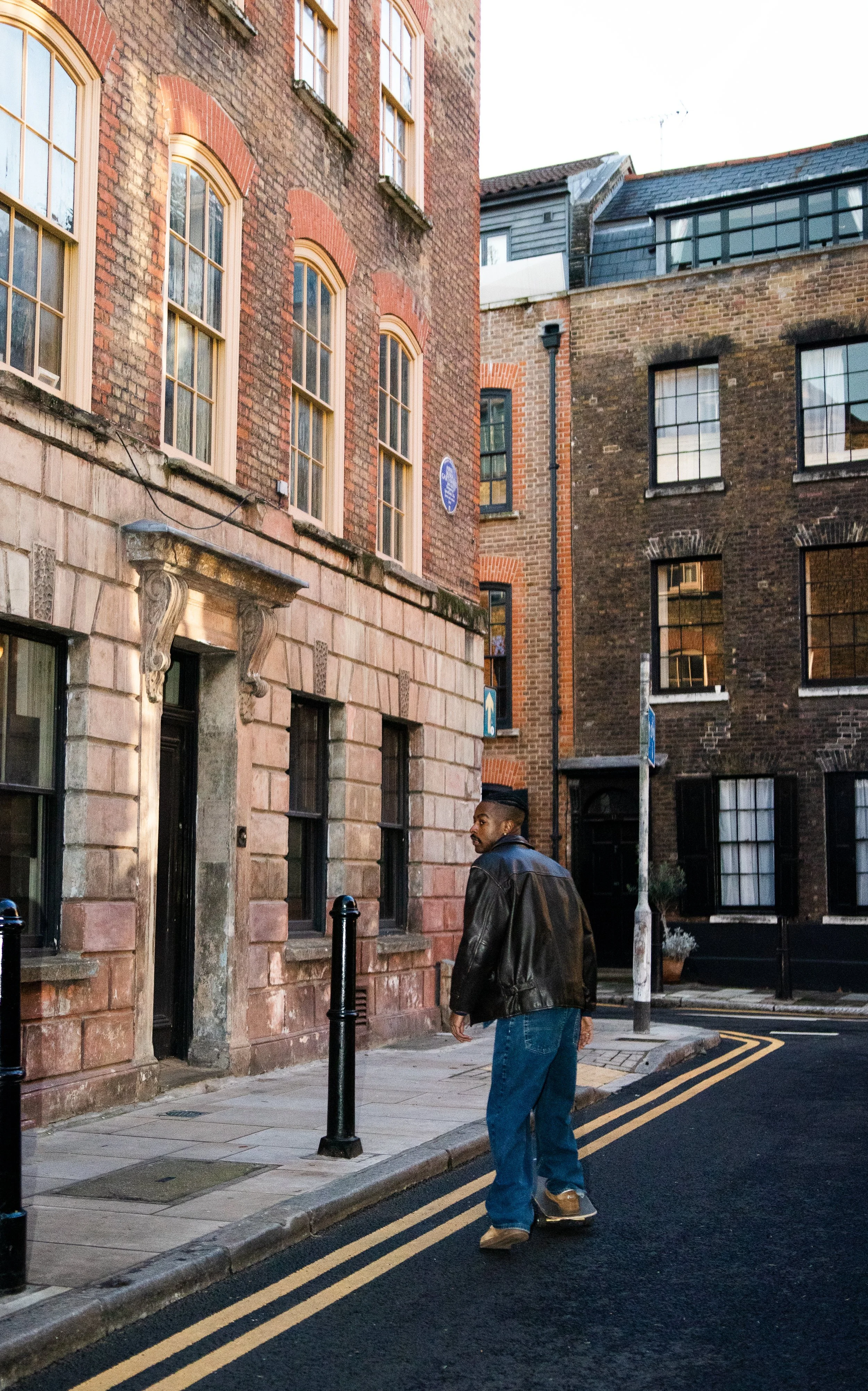
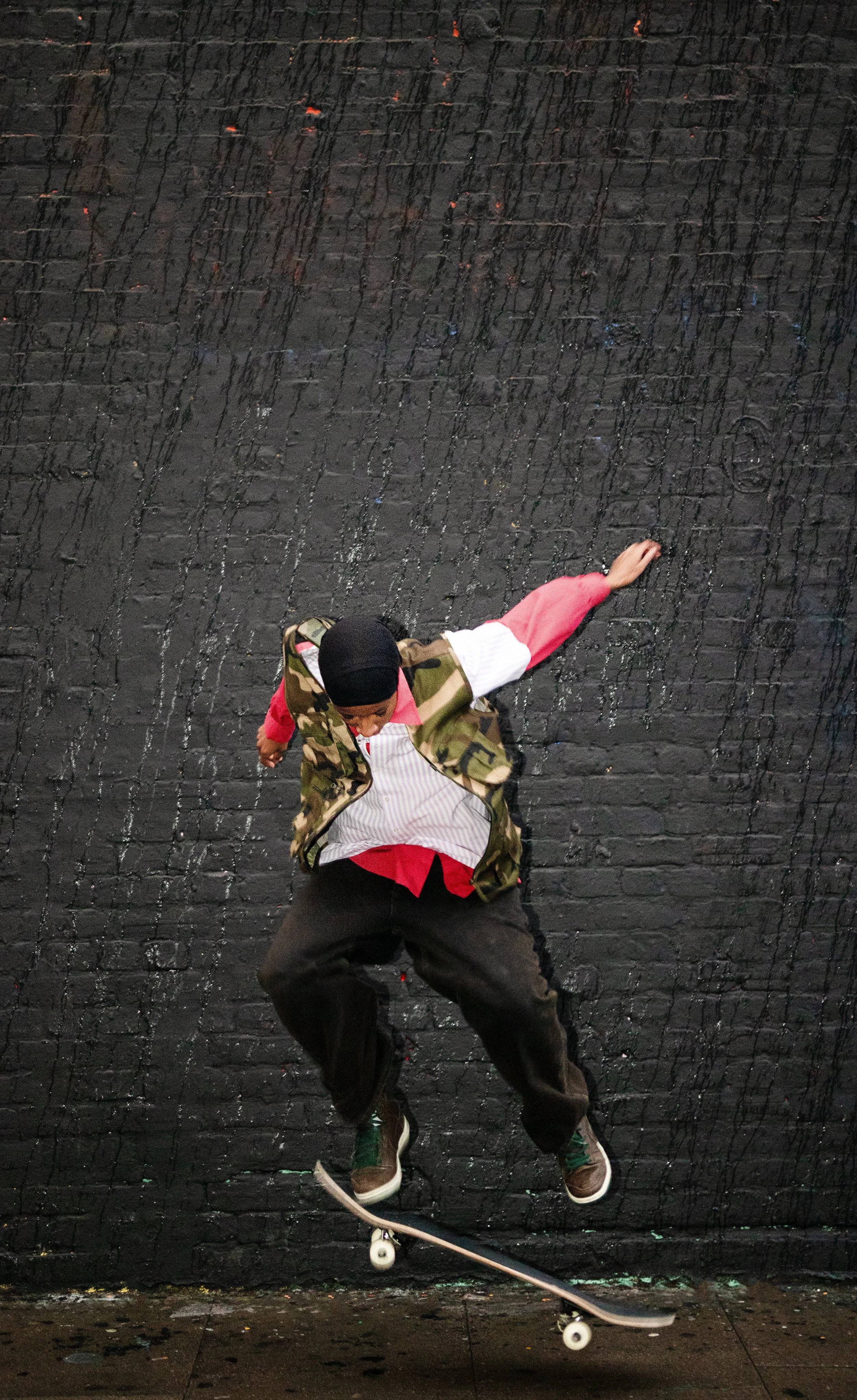
Vintage skatewear still carries that energy. A faded graphic tee or broken-in denim isn’t just clothing – it holds history. The sun-fade, the softness, the distressing all tell a story.
Despite its recognisable silhouette, skate style depends on the wearer. The only real rules are freedom of movement and durability. Everything else is personal.
It started with survival.
It became culture.
And it proves that fashion doesn’t need to begin as decorative to become powerful.